Lanier Farm Park Planning and Design
-
Architecture
Interior Design
Comprehensive Planning
Programming
Site Planning
Wayfinding/Signage -
Adaptive Reuse
Carbon-Sequestering Materials
Carbon-Sequestering Biogenic Material
Comprehensive Planning
Enhanced Site Accessibility
Environmental Education Strategies
Habitat Restoration
Heat Island Effect Mitigation
Light Pollution Reduction
Low Maintenance Materials
Passive Building Envelope
Permeable Surface Expansion
Rainwater Management
Reclaimed Building Materials
Wetland Preservation -
Completed November 2015
-
Germantown, Tennessee
Transforming an abandoned previously active 10-acre farm into a community-based suburban farm park which demonstrates, promotes, educates and advocates for a sustainable, healthy and supportive community.
With a phased approach and intensive public involvement throughout the design process, the project resulted in a new recreational model that prioritizes sustainable living through agriculture and stewardship. The farm has developed partnerships with the local university, hospital, and several nonprofits, each contributing to seasonal and yearly educational programs for children and adults.
-
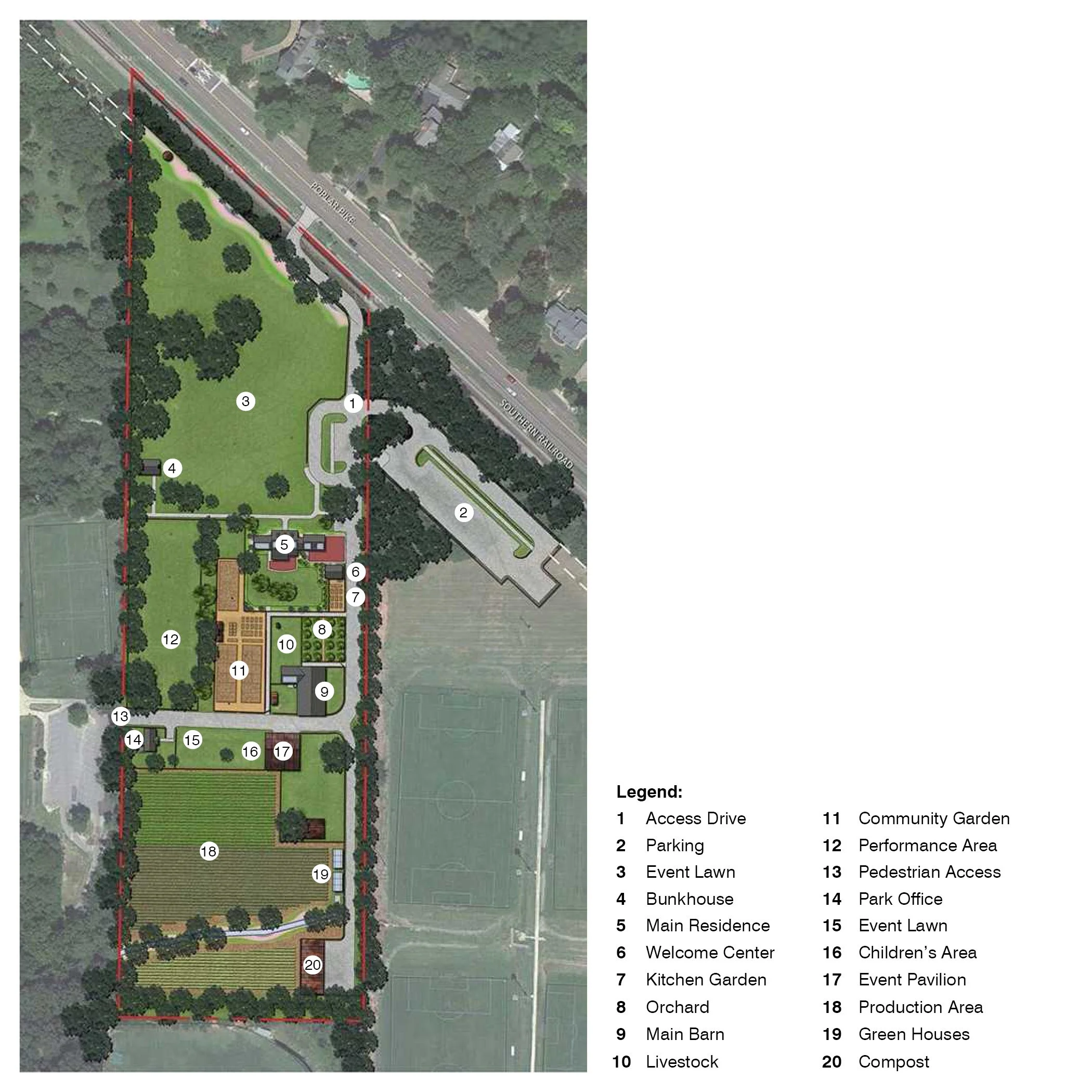
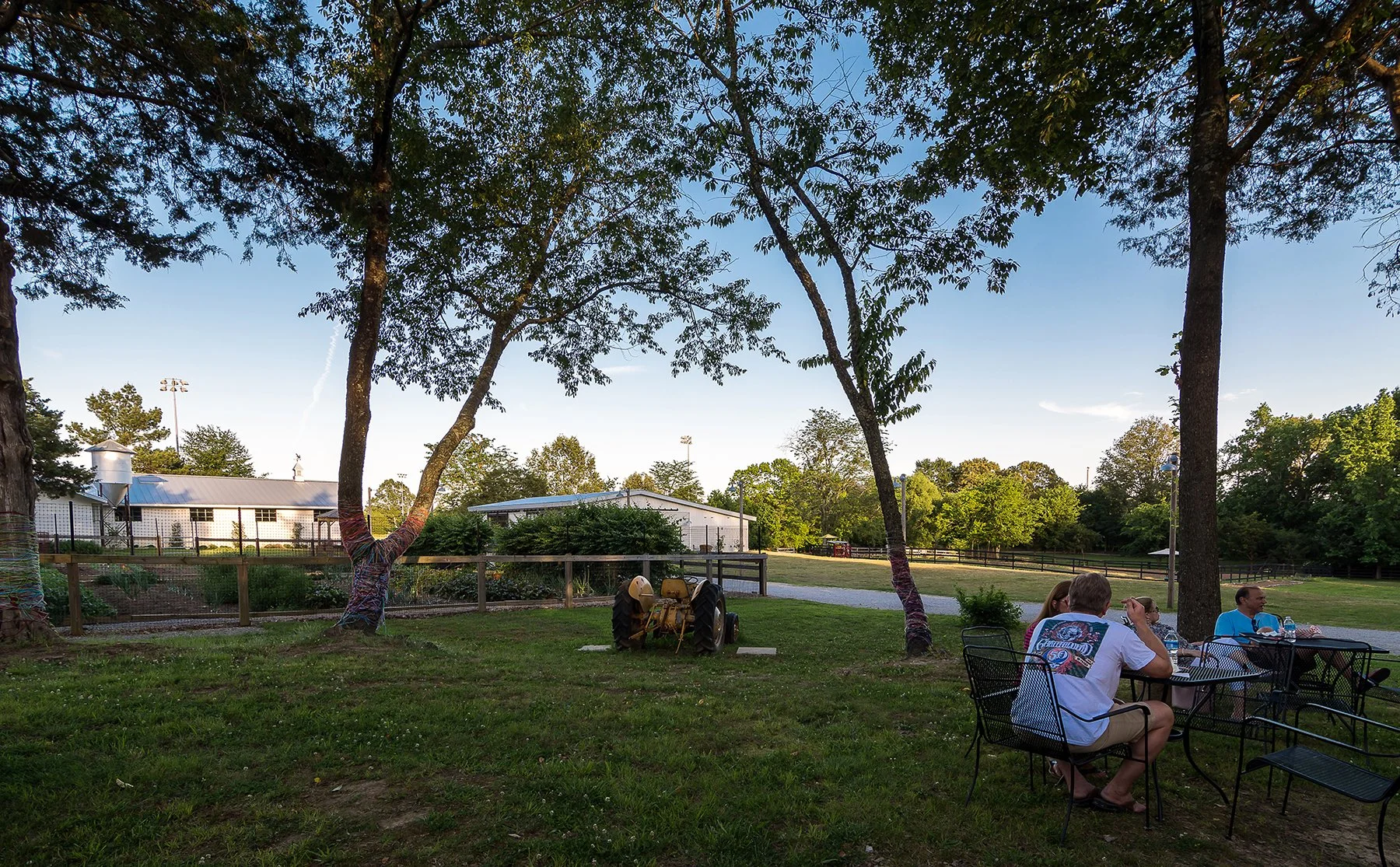
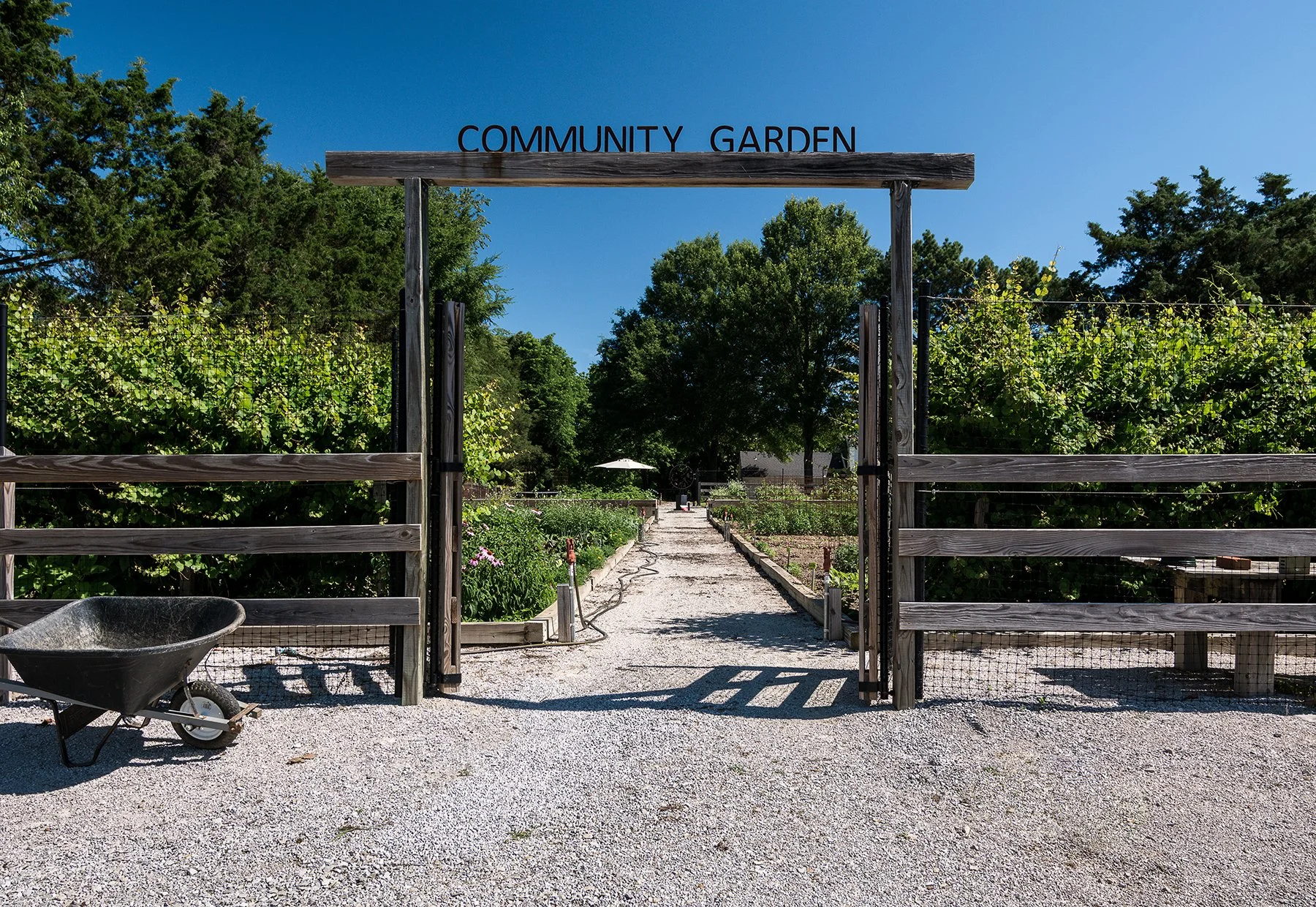
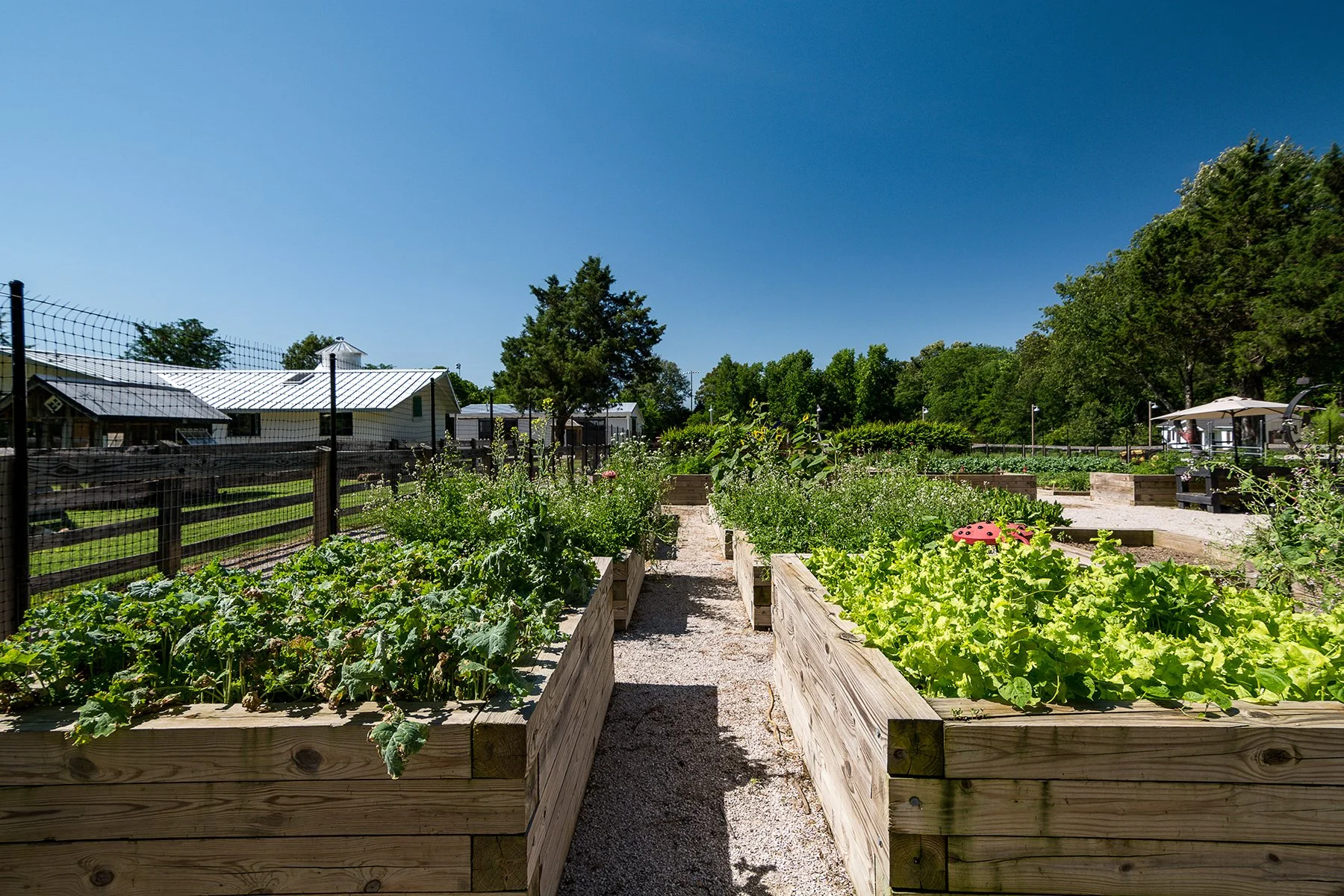
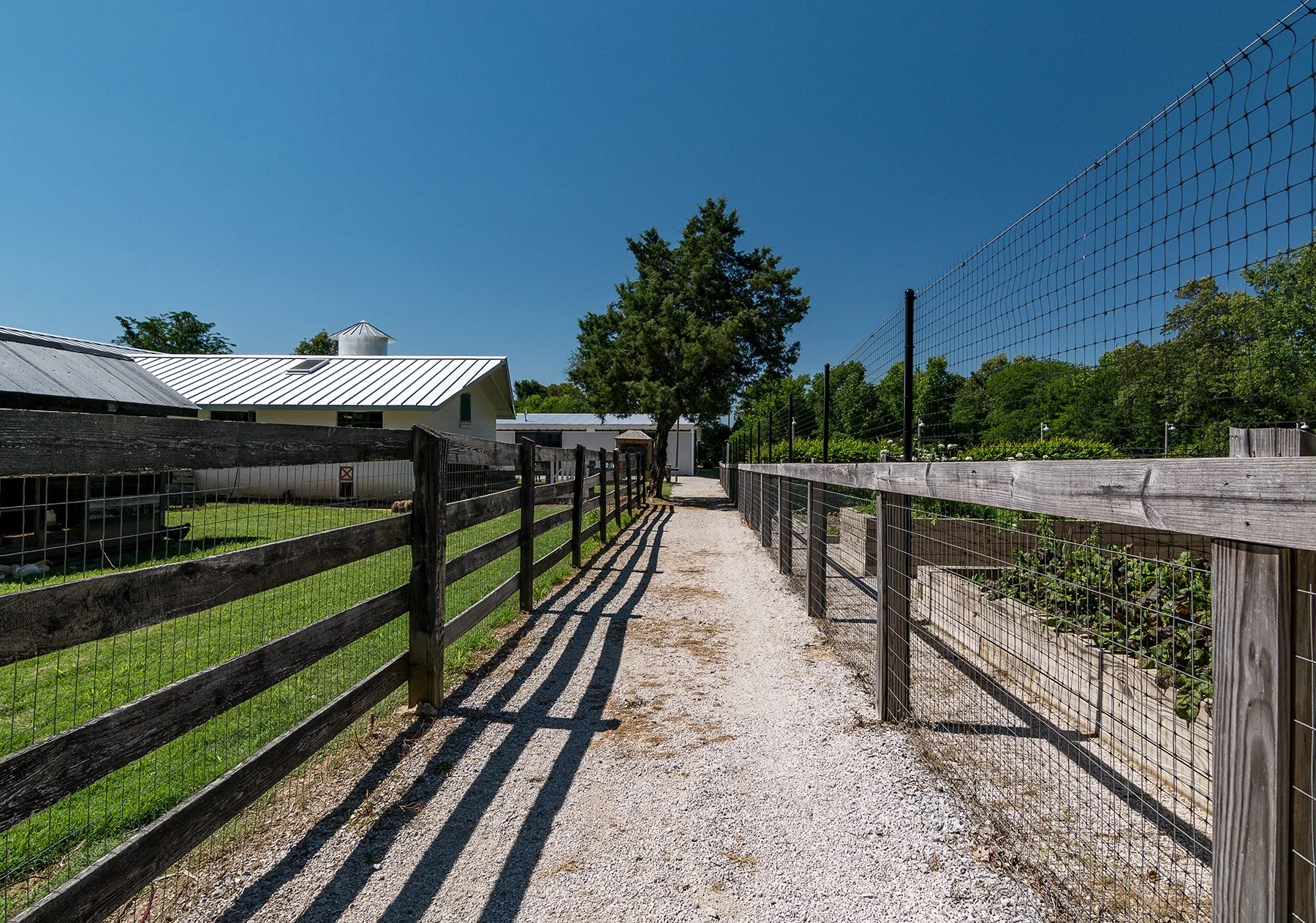
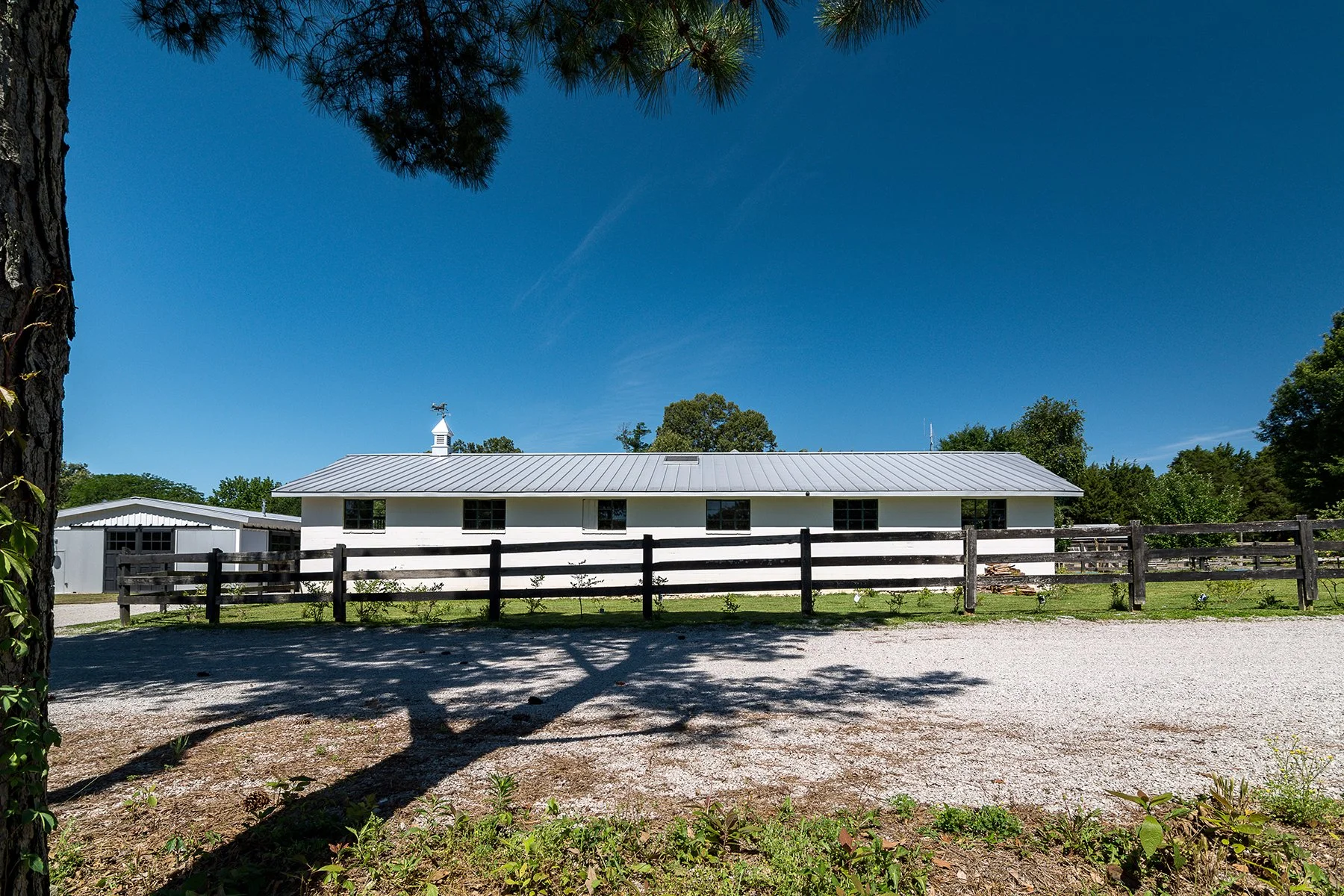
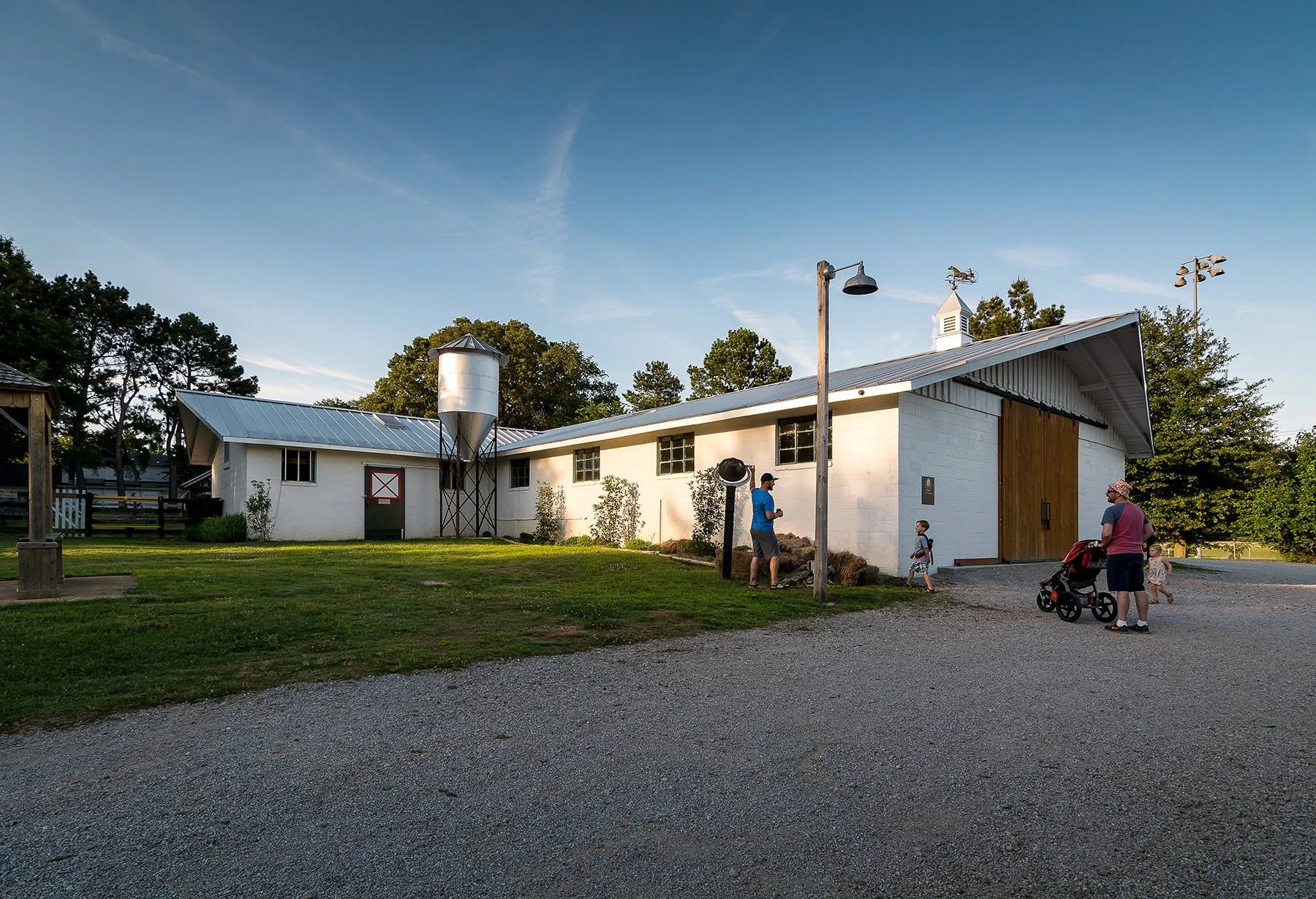
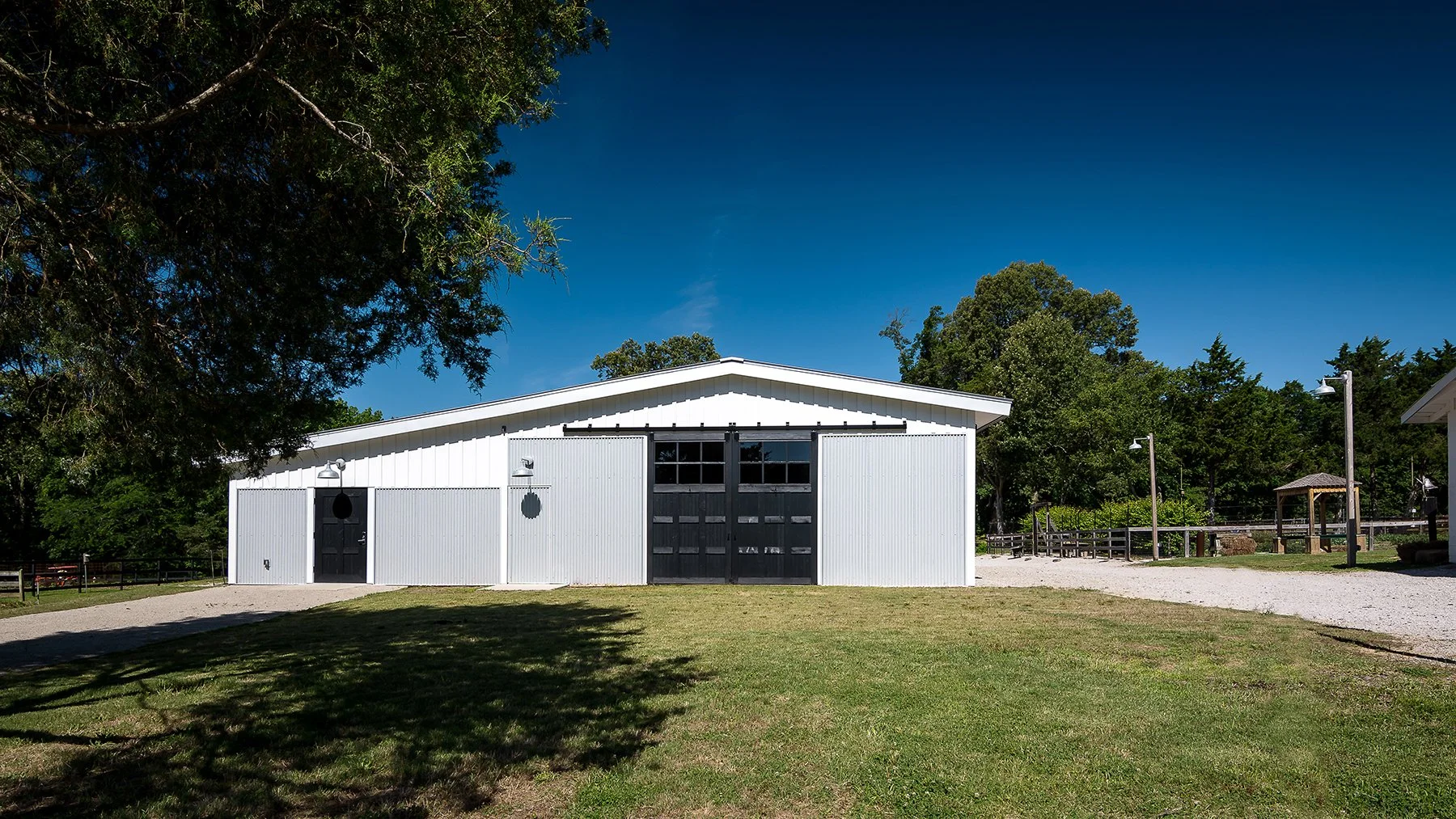
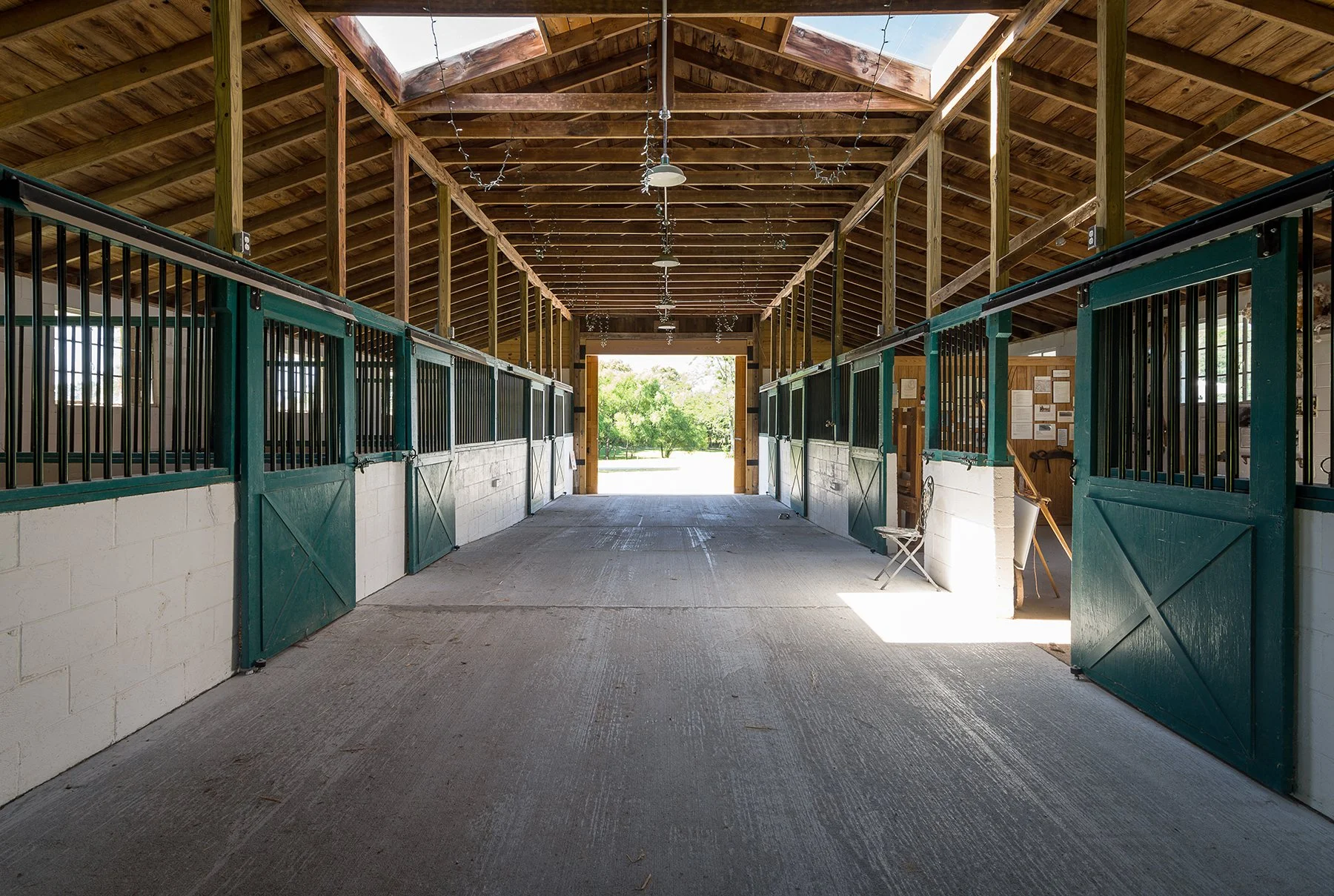
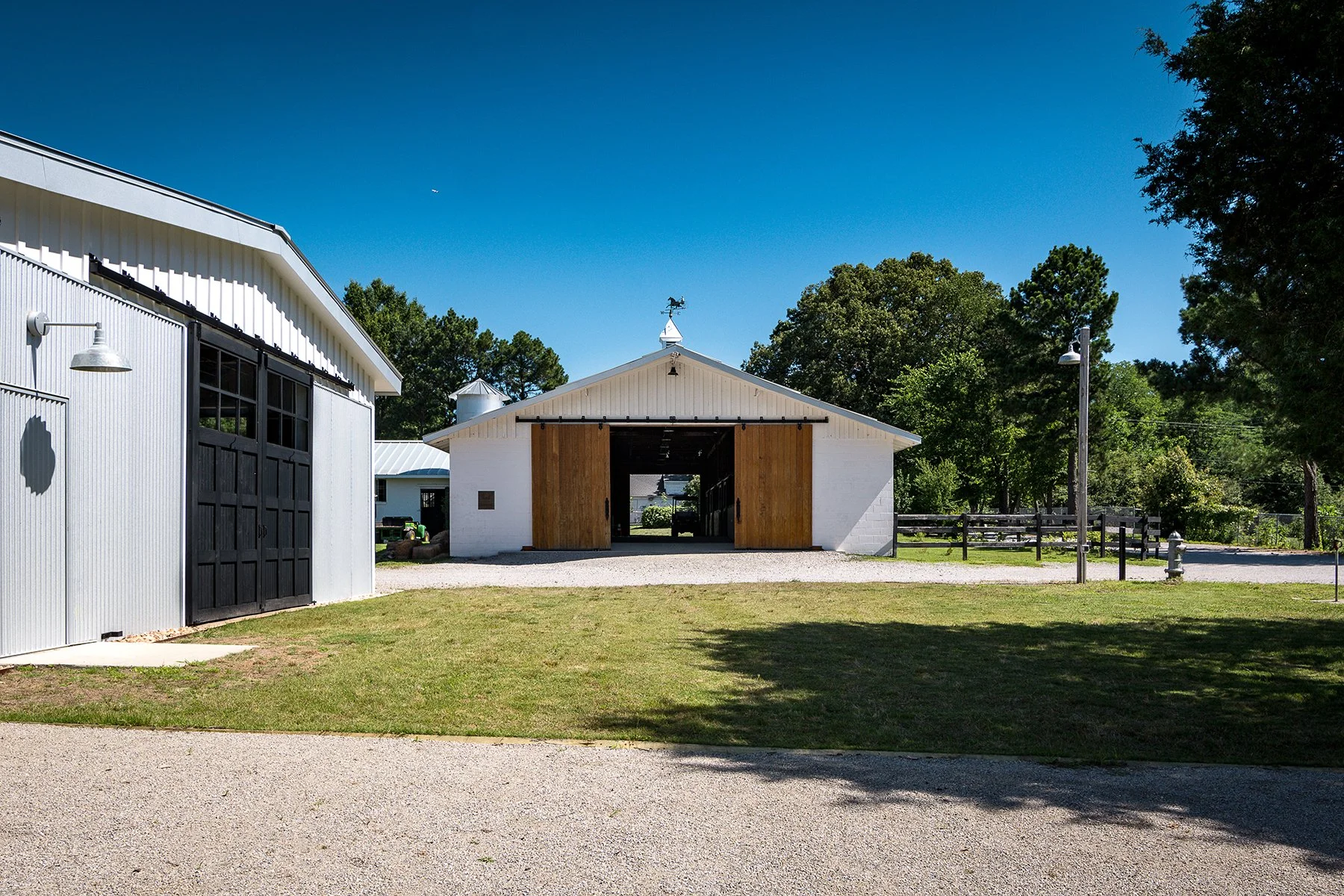
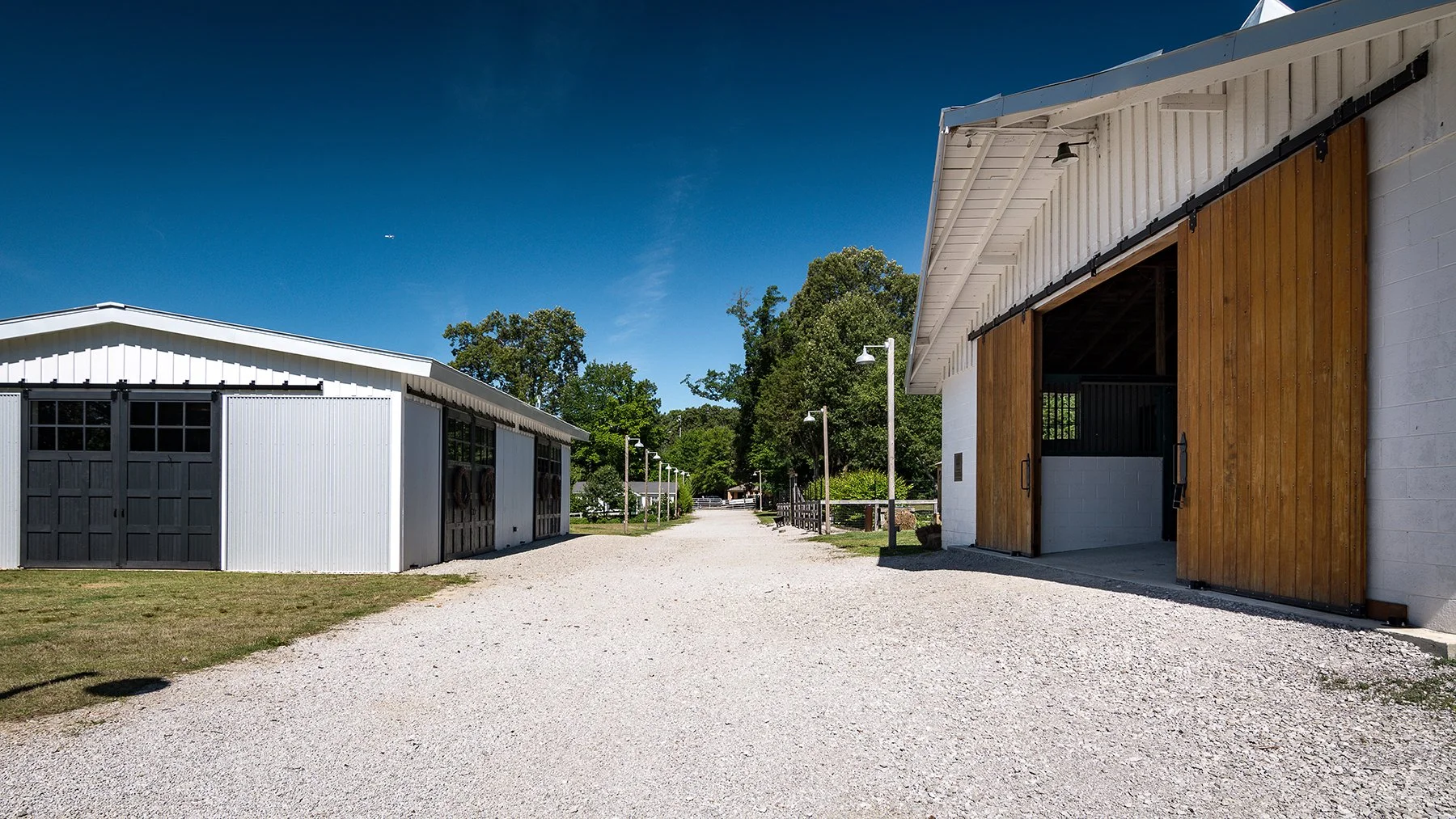
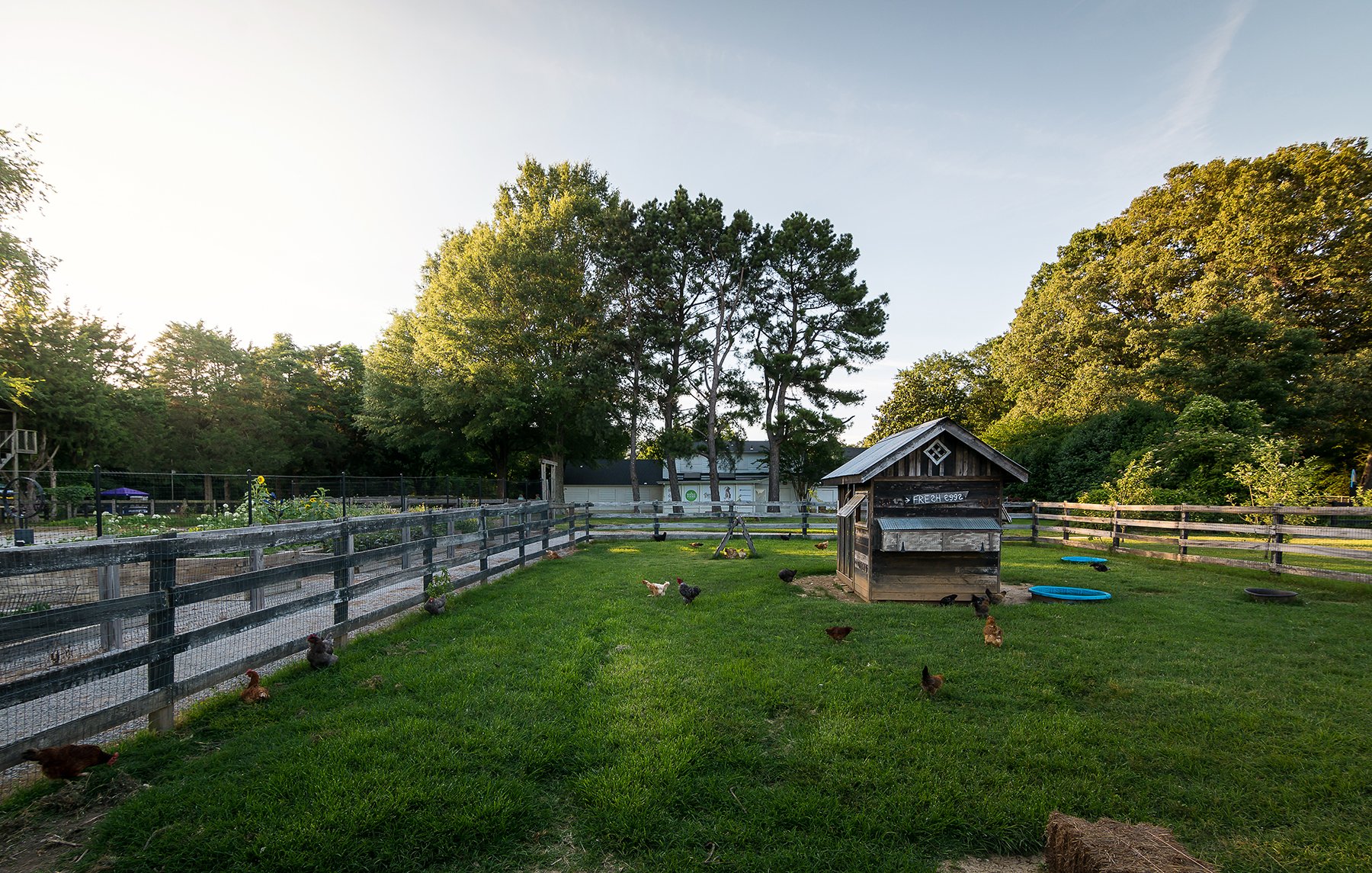
The northern portion of the property became the public/education zone, and the southern part of the park the production zone. The core activity area of the site facilitates program needs for school children. The layout provides flexible outdoor and indoor spaces that allow coordinating activities to overlap. Activity areas such as the community garden, discovery garden, kitchen garden, chicken yard, orchard, horse barn, and performance lawn are closely grouped and connected with paths that allow children to view and participate in multiple activities in a relatively small area. Wood fencing with wire mesh defines areas and provides a barrier between humans and animals. Multiple lawn areas accommodate various size groups, from outdoor classrooms to fall festivals and concerts. Two renovated barns are used for classes and rentals for weddings, family reunions, and parties. The finished product portrays the messy personality of a farm.
The bio-intensive growth methods produce a yield providing enough for the community supported agriculture association members, as well as generating a signification amount to donate to local food banks.